

A luxury watch is more than just a timepiece; it’s an investment that requires proper care to maintain its functionality and preserve its value over time.
Just like any high-end asset, regular servicing is essential to ensure its longevity.
However, the frequency and specifics of servicing can vary, depending on the watch’s brand, model, and how often it’s used.
Understanding the nuances of watch care can help ensure your luxury watch continues to perform at its best, while also protecting its worth in the long run.
How Often to Service
Regular servicing is crucial to maintain the performance and value of your luxury watch.
While general guidelines suggest servicing every three to five years, the optimal interval can vary based on the brand, model, and usage.
General Recommendations:
- Rolex: Rolex advises servicing older models approximately every 4-5 years and newer models every 10 years.
- Richard Mille: For Richard Mille watches, a service every 4-5 years is recommended.
- Other Brands: Many Swiss and German watch manufacturers suggest servicing every five years, with some recommending intervals as short as four years or as long as ten years.
Factors Influencing Servicing Frequency:
- Usage: Watches worn daily may require more frequent servicing compared to those worn occasionally.
- Storage: Proper storage when not in use can impact the servicing schedule.
- Performance: If a watch shows signs of reduced accuracy or functionality, it may need servicing sooner.
Caring for Infrequently Worn Watches:
For watches that are worn sparingly, it’s advisable to wind them at least once a month to keep the movement lubricated and prevent parts from seizing.
Why Service Luxury Watches?
Luxury watches are intricate mechanical devices that require regular maintenance to ensure optimal performance and longevity.
Servicing not only preserves the watch’s functionality but also safeguards its value over time.
Key Reasons for Servicing Luxury Watches:
- Maintaining Accuracy and Functionality: Over time, the internal components of a watch can experience wear and tear, leading to decreased accuracy and potential malfunctions. Regular servicing addresses these issues, ensuring the watch continues to keep precise time.
- Preserving Value: A well-maintained luxury watch retains its market value and can even appreciate over time. Neglecting regular servicing can result in diminished performance and aesthetics, potentially affecting its resale value.
- Ensuring Longevity: Routine maintenance, including cleaning and lubrication, prevents the buildup of debris and reduces friction among moving parts. This proactive approach helps extend the lifespan of the watch.
- Protecting Investment: Luxury watches are significant investments. Regular servicing helps protect this investment by preventing minor issues from escalating into costly repairs.
What to Look For
Regular maintenance is essential to keep your luxury watch functioning optimally and to preserve its value.
Being attentive to certain signs can help you determine when it’s time for professional servicing.
1. Loss of Accuracy
If your watch consistently loses or gains time, it may indicate a problem with the movement or internal components.
Mechanical watches, in particular, require regular adjustments to maintain precise timekeeping.
When your watch starts to deviate by several minutes, it’s time to have it checked by a professional.
2. Unusual Sounds or Changes in Movement
A properly functioning watch should wind smoothly and quietly.
If you hear any grinding, clicking, or squeaking noises when winding your watch, it could indicate that the internal gears are not meshing correctly.
This problem is often caused by a lack of lubrication or misaligned gears, which can lead to excessive wear on the movement.
If you experience any unusual noises during winding, it’s essential to have your watch examined by a certified watchmaker.
3. Visible Signs of Wear or Damage
Visible damage, such as scratches, dents, or a cracked crystal, is a clear sign that your watch needs professional care.
While minor scratches might not affect your watch’s performance, they can detract from its appearance and value.
More severe damage, like a cracked crystal, can expose the watch to dust, moisture, and other elements that can harm the internal components.
Professional repair services can address these issues by polishing out scratches, replacing damaged crystals, and restoring your watch’s overall appearance.
4. Lack of Power Reserve
The power reserve is the amount of time your watch will run once it’s fully wound or worn.
For automatic watches, this can range from 24 to 80 hours, depending on the model.
If you notice that your watch is stopping sooner than it should or requires frequent winding, it may indicate a problem with the mainspring or barrel.
Power reserve issues are often caused by dried-up lubricants or a worn-out mainspring.
Having your watch serviced will involve re-lubricating the movement and, if necessary, replacing the mainspring to restore the watch’s power reserve to its original capacity.
Typical Watch Service
Regular servicing is essential to maintain the performance and value of your luxury watch.
A comprehensive service typically involves several key steps:
1. Disassembly
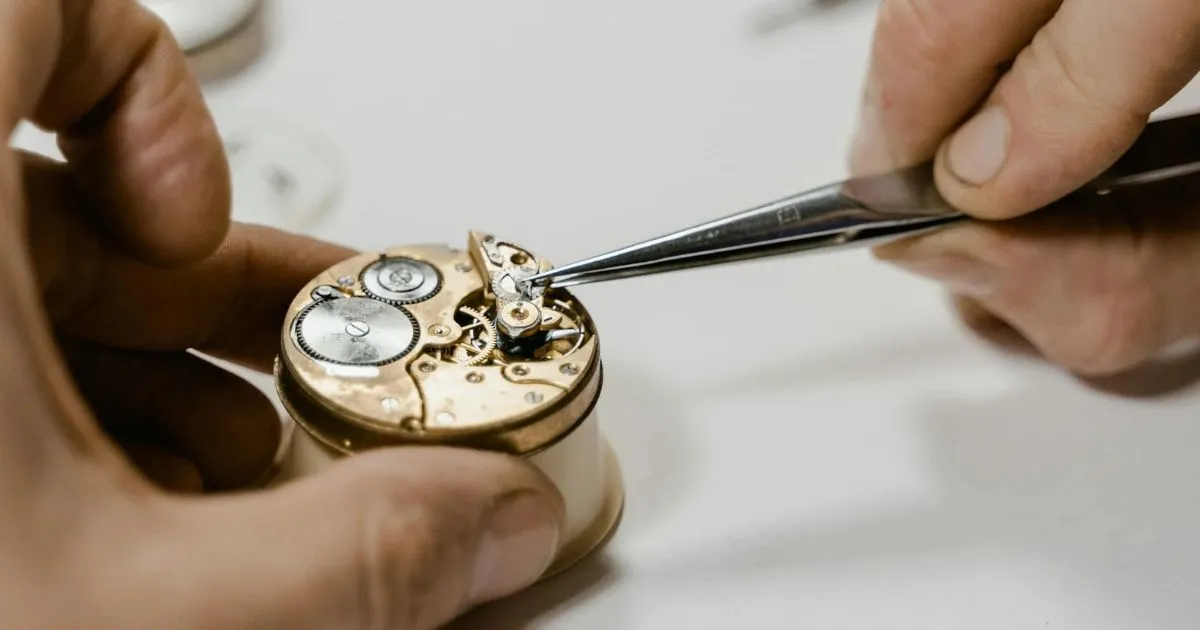
The watchmaker begins by carefully disassembling the watch, removing each component of the movement.
This meticulous process ensures that all parts are accessible for thorough inspection and cleaning.
2. Cleaning and Lubrication
Each component is cleaned to remove accumulated dirt, dust, and old lubricants.
After cleaning, the movement is re-lubricated to reduce friction and prevent wear, ensuring smooth operation of all moving parts.
3. Inspection and Replacement
The watchmaker inspects all parts for signs of wear or damage.
Worn or damaged components are replaced with genuine parts to restore the watch’s functionality and maintain its value.
4. Reassembly and Testing
After all components are cleaned, lubricated, and replaced as necessary, the watch is reassembled.
The watchmaker then tests the watch’s accuracy, power reserve, and water resistance to ensure it meets the manufacturer’s specifications.
5. Final Inspection
A final inspection is conducted to ensure the watch is in optimal condition, both functionally and aesthetically.
This includes checking the case, bracelet, and crystal for any imperfections.
Choosing a Qualified Watchmaker
It’s crucial to have your luxury watch serviced by a qualified and experienced watchmaker familiar with your specific brand and model.
A professional with expertise in your watch’s make ensures that all procedures are performed correctly, preserving the watch’s integrity and value.
Caring for Luxury Watches
Maintaining your luxury watch’s performance and appearance requires mindful care.
Here are essential practices to ensure its longevity:
1. Proper Storage
- Use a Suitable Watch Box: Store your watch in a cool, dry place, away from direct sunlight and humidity. A padded watch box or case protects it from dust and physical damage.
- Avoid Magnetic Fields: Keep your watch away from strong magnetic fields, such as those from speakers or electronics, to prevent interference with its movement.
2. Protect from Extreme Conditions
- Temperature Extremes: Avoid exposing your watch to high heat or cold, as this can affect its accuracy and damage components. For instance, high heat can cause battery leaks and lubricant degradation, while extreme cold can affect metal components and lubricant elasticity.
- Humidity: Moisture can compromise the watch’s internal mechanisms. Ensure it’s stored in a dry environment and avoid wearing it in excessively humid conditions.
3. Avoid Chemical Exposure
- Harsh Chemicals: Remove your watch before using cleaning products, perfumes, lotions, or engaging in activities like car maintenance. Chemicals can damage the watch’s sealants and finish.
4. Handle with Care
- Physical Impact: Avoid wearing your watch during activities that could expose it to unnecessary risks, such as sports or heavy lifting. Handle it gently to prevent scratches, dings, or other physical damage.
- Winding and Setting: When adjusting the time or winding your watch, do so over a soft surface to prevent accidental drops. Avoid winding or setting the watch while it’s on your wrist to prevent putting pressure on the crown stem.
5. Regular Maintenance
- Routine Servicing: Have your watch serviced every 3 to 5 years by a certified watchmaker to ensure its longevity and accuracy. Regular servicing ensures that the movement is properly lubricated and that worn-out parts are replaced before they cause damage.
The Luxury Watch Market Today
The global luxury watch market has experienced significant growth in recent years and is projected to continue expanding.
In 2021, the market was valued at approximately $27.19 billion.
By 2027, estimates suggest it could reach between $33.07 billion and $49.68 billion, depending on the source.
Consumer Preferences
Today’s consumers are increasingly seeking high-quality products that incorporate advanced technologies.
This trend reflects a broader desire for timepieces that offer both functionality and innovation.
Status Symbol
Luxury watch brands continue to serve as symbols of status and prestige.
Owning a luxury watch remains a significant marker of success and personal achievement for many individuals.
Conclusion
Investing in a luxury watch is more than just acquiring a timepiece; it’s embracing a legacy of craftsmanship and precision.
To ensure your cherished watch continues to tick with unwavering accuracy and elegance for generations to come, regular servicing is paramount.
Just like a finely tuned engine, a luxury watch requires periodic maintenance to keep all its intricate components working in harmony.