

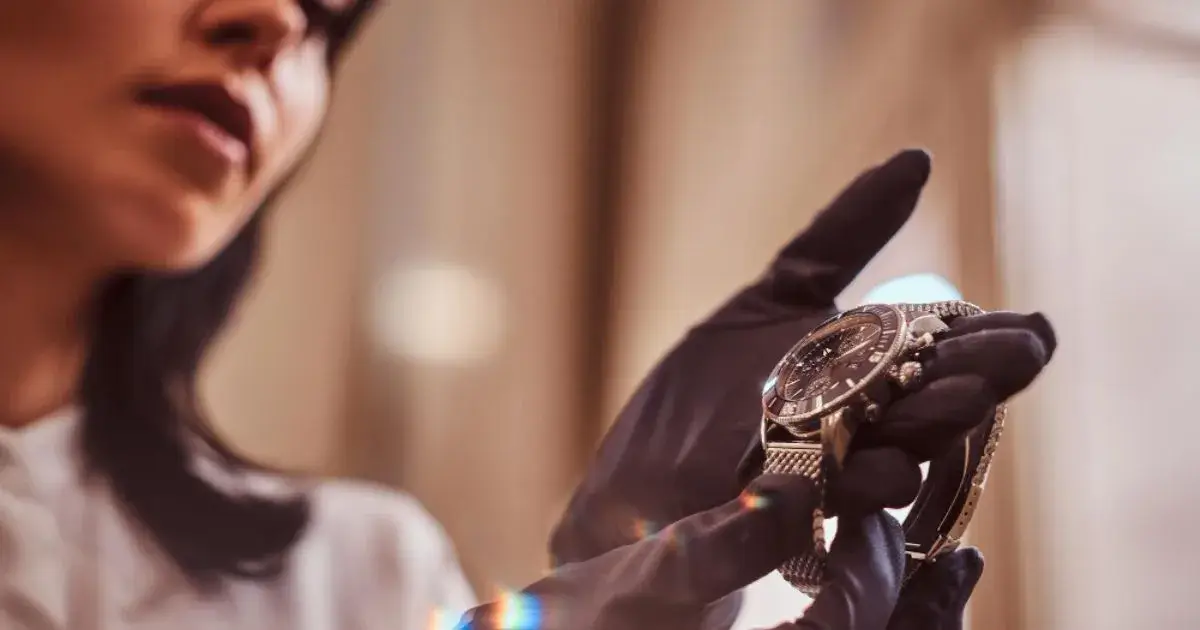
Luxury watches are more than just timekeepers—they represent status, craftsmanship, and long-term value.
As interest in high-end brands like Rolex, Audemars Piguet, and Patek Philippe continues to grow, so does the number of online platforms claiming to offer them at discounted rates.
One name that frequently draws attention is Luxury of Watches, prompting a common question: is Luxury of Watches legit?
With premium prices and limited availability, verifying authenticity, warranty coverage, and seller credibility is critical.
A single misstep can lead to counterfeit products, lost money, or voided resale value.
Understanding “Luxury of Watches”: What Is It?
Luxury of Watches is a U.S.-based online retailer specializing in new and pre‑owned luxury timepieces—brands like Rolex, Patek Philippe, and Audemars Piguet.
Over the past few years, it has carved out a space in the grey-market, offering watches often priced below authorized dealer rates.
Why it’s trending:
- Recent U.S. search volume for the brand has surged, reflecting heightened consumer curiosity sparked by widespread social media discussions.
- This uptick aligns with broader trends: U.S. imports of Swiss luxury watches jumped over 18 percent in April 2025, fueled by buyers seeking both investment value and tariff protection.
Position in the luxury watch market:
- The global luxury watch industry was valued at $53.7 billion in 2024, with the U.S. market alone projected to reach $19 billion by 2032.
- Consumer demand—especially for pre-owned pieces—has surged. The pre-owned segment is expected to hit $30 billion by 2025.
- In this space, companies like Luxury of Watches find opportunity, offering perceived discounts—but that also raises questions about authenticity, warranty reliability, and transparency.
Red Flags: What Are People Saying?
Real buyer feedback raises serious concerns about suspiciously low prices, non-delivery, and questionable business practices surrounding Luxury of Watches and similar platforms:
Reddit Feedback: “Sketchy,” “Scam”
Reddit users express strong doubts. One thread discussing Luxury of Watches and Watch Rapport notes:
“Super low prices… seems like something is going on like fake watches or no product altogether.”
“Watch Rapport is a total scam. They steal adverts from other sites…and hold your money for months.”
These comments suggest a recurring pattern: listings that seem too good to be true often lead to disappointment or lost funds.
Hijacked Listings & Non-Delivery
A recurring issue: third-party ads getting hijacked onto these platforms.
One Redditor explains how listings were reposted without consent—and payment was taken for watches never received .
Refund Failures & Frozen Payments
Reddit users consistently report that even when refunds are acknowledged by the platform, credit never arrives:
“They hold your money for months until you demand a refund… still no refund.”
Unrealistic Discounts = Alarm Bells
Security experts and scam-reviewers identify luxury watch scams by one tactic: unbelievably steep discounts (50–90%).
They warn that these offers are bait used to extract payment, then vanish.
Why Are Luxury Watch Scams So Common?
Anyone ever purchased from Luxury of Watches or Watch Rapport?
byu/YetiSteady inrolex
Pre‑Owned Market on Fire in 2025
- The global pre‑owned luxury‑watch market surged to $24.4 billion in 2023 and is projected to hit $45 billion by 2030, growing ~9–10% annually.
- In the U.S. and Europe, online marketplaces are booming, driven by Gen Z and millennials who view these watches as affordable luxury and investment-grade assets.
High Demand + Low Supply = Fraud Breeding Ground
- Brands like Rolex, Patek Philippe, and Audemars Piguet strictly control supply to preserve prestige—this leaves a persistent shortage of new models .
- Secondary demand is soaring: online platforms offer rare or discontinued pieces—tempting buyers who can’t get them elsewhere.
- But without standard verification or warranties, the door is wide open for fraudsters and counterfeiters.
Top Scam Tactics in Luxury‑Watch Deals
| Scam Type | Description |
|---|---|
| Fake Listings | Fraudsters post stock photos online. Buyers pay—but no watch arrives . |
| Counterfeit Timepieces | High-quality replicas flood the market—Swiss customs estimate 30–40 million fakes produced annually . |
| Bait‑and‑Switch | Item arrives in worse condition than described, often with subtle imperfections hidden in photos . |
| Grey‑Market Risks | Steep discounts (30–40% off MSRP) hint at grey-market sourcing. Lacking valid warranty or serial checks . |
Why These Scams Still Spread
- Trust isn’t standardized: No universal grading, authentication, or quality seals exist in this decentralised market.
- A perfect storm for scammers: Limited authorized inventory, fiat pricing, and global online reach. Buyers desperate to snag rare pieces are prime targets.
How to Authenticate a Luxury Watch Purchase
With luxury-watch scams on the rise, authentication isn’t optional—it’s a must.
Whether you’re buying new or pre-owned, following these steps can protect your investment and peace of mind.
Physical Checks: What to Inspect
Even before expert verification, trained eyes can catch flaws. Focus on the following:
- Movement: Open casebacks or transparent backs should reveal finely finished, brand-specific mechanics—not generic mass-market parts.
- Dial & Hands: Look for precise printing, clean indices, and brand-consistent details. Luxury brands don’t tolerate smudges, off-centering, or uneven lume.
- Case & Crown: Authentic cases are flawlessly machined. Crowns should have engravings or logos that align with brand specifications.
- Bracelet & Clasp: Weight, finish, and stamping matter. Rolex, for example, uses solid end-links and polished clasp engravings.
- Weight: Luxury watches typically feel heavier due to quality steel, precious metals, or sapphire crystal.
Ask for the Full Package
Always request:
- Original box and warranty card
- Certificates of authenticity
- Receipts and full service history
- Matching serial/reference numbers
If any of this is missing—especially from a high-end seller—consider it a red flag.
The Role of Tech in 2025 Authentication
Modern tools have changed the game:
- AI-powered verification: Algorithms trained on thousands of reference images can detect micro-anomalies in font, finish, or crown placement.
- Blockchain-backed certification: Some luxury brands now provide immutable digital ownership certificates, helping eliminate paper forgery.
- Advanced imaging tools: Macro photography, UV lighting, and 3D scanning are used to verify dial printing, rehaut etching, and movement details.
Platforms like WatchCert and Bezel utilize such tools in combination with human experts for layered authentication.
Why Expert Authentication Still Matters
Even in a tech-driven world, nothing replaces the trained eye of a horologist.
In 2025, with counterfeiters using 3D printing and laser engraving, many replicas are nearly indistinguishable to the untrained buyer.
Professional authentication ensures:
- Independent evaluation of all components
- Detection of aftermarket parts or frankenwatches
- Real-time verification of stolen serials via international databases
Investing in Luxury Watches: Risks and Rewards
Luxury watches have evolved beyond accessories—they’re now widely viewed as alternative investment assets.
Whether worn, collected, or stored in safes, these timepieces often hold or grow in value over time, especially when sourced from reputable sellers.
The Rewards: Value That Ticks Over Time
- Appreciation Potential: Watches from Rolex, Patek Philippe, and Audemars Piguet have consistently increased in value. Limited editions and discontinued models, in particular, perform well on the resale market.
- Resale Liquidity: Top-tier watches are actively traded on platforms like Chrono24 and WatchBox, often selling close to—or above—original retail price.
- Portfolio Diversification: Like fine art or vintage cars, luxury watches offer diversification for investors who want tangible, inflation-resistant assets.
The Risks: What Undermines Value
- Counterfeit Concerns: Buying from non-verified sources exposes you to fake parts, repackaged models, or unauthorized modifications—all of which drastically reduce resale value.
- Market Volatility: Not all watches appreciate. Oversupply, shifting consumer tastes, or economic downturns can depress demand for certain models or brands.
- Liquidity Gaps: Niche pieces or off-brand watches may be harder to sell, especially without complete documentation or servicing history.
Why Source Legitimacy Is Everything
To retain investment value, a watch must be:
- 100% authentic (verified by a trusted professional or platform)
- Documented with original box, papers, and warranty
- Purchased from a reputable seller—preferably an authorized dealer or certified reseller
Any deviation from this can cut your resale value in half—or worse, leave you with a worthless counterfeit.
Trends Shaping 2025 Perceptions
- Colorful Designs: Unconventional hues like Tiffany blue dials, bold rubber straps, and skeleton cases are commanding high resale premiums. These modern styles appeal to younger investors and collectors looking for statement pieces.
- Exclusive Watch Clubs: Membership-only communities like AP House or RedBar NYC are increasing the appeal and perceived value of exclusive timepieces—driving demand for rare models.
- Digital Ownership: NFT-linked certificates and blockchain verification are becoming more common, adding another layer of legitimacy for collectors concerned with provenance.
How to Spot a Legitimate Seller
With so many online platforms claiming to sell authentic luxury watches, knowing how to verify a seller’s legitimacy is non-negotiable.
Whether you’re investing thousands or just starting your collection, these checkpoints help protect your purchase—and your wallet.
Buyer’s Checklist for Safe Watch Shopping
1. Check Reputation and Reviews
- Look up the seller’s Google reviews, Trustpilot ratings, and mentions on forums like Reddit or Watchuseek.
- Be cautious if reviews are overly generic, limited in number, or show a pattern of refund/delivery complaints.
2. Confirm Secure Payment Methods
- Use credit cards or reputable escrow services (like Chrono24’s Trusted Checkout). Avoid wire transfers or payment apps with no buyer protection.
3. Scrutinize Return and Refund Policies
- Legitimate sellers clearly outline return windows, restocking fees, and refund procedures on their website.
- Lack of a transparent policy = major red flag.
4. Verify Contact Information
- A valid physical address (not just a PO box), working phone number, and official email are basic necessities.
- Test communication before purchasing. Reliable sellers are responsive, clear, and professional.
5. Prefer Trusted Sources
- Whenever possible, buy from:
- Authorized retailers (found via the brand’s official website)
- Reputable secondary marketplaces like WatchBox, Crown & Caliber, or Bob’s Watches
- Certified pre-owned dealers with documented inspection processes
Red Flags to Avoid
- Prices that seem too good to be true
- No verifiable track record or press mentions
- Overuse of terms like “clearance,” “blowout sale,” or “limited time offer”
- Poor website design, typos, or unsecured checkout (no HTTPS)
What to Do If You Suspect a Scam
Even the savviest buyers can fall into a trap—especially in the luxury watch space.
If you’ve made a purchase and something feels off, act quickly. Delays reduce your chances of recovery.
Immediate Steps to Take
1. Contact Your Bank or Card Provider Immediately
- Request to dispute the charge or initiate a chargeback if you paid with a credit card.
- Most U.S. banks offer limited windows (often 60–90 days) to file disputes.
2. File a Complaint with the FTC
- Go to reportfraud.ftc.gov and file a complaint under “Online Shopping.”
- This helps federal agencies track patterns and investigate fraudulent retailers.
3. Report to Your State Attorney General
- Each U.S. state has a consumer protection division. Visit your AG’s website to submit a complaint.
- This can prompt state-level investigation and adds pressure to the seller.
4. Document Everything
- Save all emails, receipts, screenshots, tracking numbers, and chat transcripts.
- If the listing disappears or the website goes down, this documentation is critical for your case.
Use the Community to Your Advantage
- Reddit threads (e.g., r/Watches or r/Scams) often flag problematic sellers early. You may find others with the same experience.
- Post on Watchuseek or TimeZone forums—members can guide you or help amplify your case.
- Leave a detailed review on Trustpilot or BBB.org to warn others and build public accountability.
Conclusion
The luxury watch market offers beauty, prestige, and real investment value—but only when approached with care. As platforms like Luxury of Watches rise in popularity, so do concerns about authenticity, pricing transparency, and buyer protection.
Do your due diligence. That means verifying seller reputation, demanding proper documentation, and staying alert for red flags like unrealistic discounts or vague refund policies.
Trust your instincts. If something feels off, step back and investigate. A legitimate seller welcomes questions, offers proof, and operates with transparency.
Most importantly—always verify before you buy. In a market built on precision and craftsmanship, your approach to purchasing should be just as meticulous.