

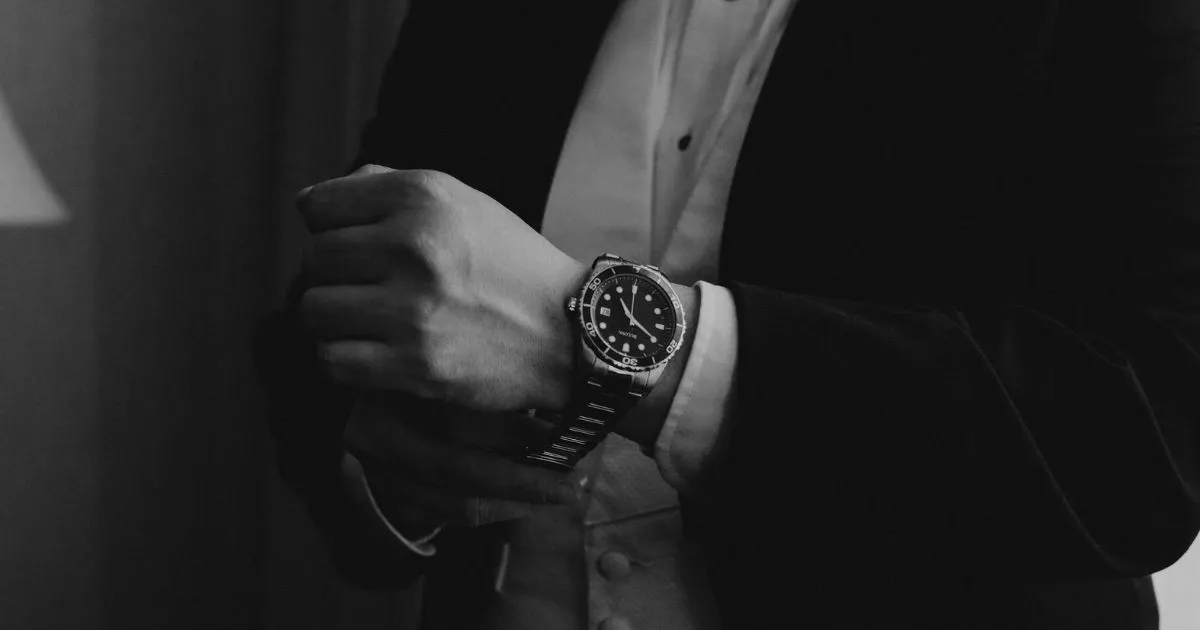
Exclusivity is the cornerstone of luxury watch brands.
It’s not just about telling time—it’s about prestige, craftsmanship, and rarity.
Luxury watchmakers like Rolex, Patek Philippe, and Audemars Piguet carefully control their production, pricing, and distribution to ensure their products remain desirable and unattainable to the masses.
Limited Production and High-Quality Craftsmanship
Exclusivity in luxury watches is largely driven by limited production and rarity.
By deliberately restricting supply, brands ensure that their timepieces remain highly desirable and maintain their prestige in the market.
Patek Philippe: A Masterclass in Exclusivity
Patek Philippe is one of the most sought-after luxury watch brands, and a key reason for its exclusivity is its limited production strategy.
Unlike mass-market watchmakers, Patek Philippe produces only around 70,000 watches per year, despite overwhelming demand.
- Selective Availability – Even though Patek Philippe could sell more watches, they choose to produce fewer pieces to maintain scarcity.
- Highly Coveted Models – Some models, like the Nautilus 5711, are so exclusive that buyers must endure years-long waiting lists—or purchase at a premium in the secondary market.
- Bespoke and Limited Editions – Occasionally, Patek Philippe releases special editions or one-off pieces for top clients and auctions, further elevating its exclusivity.
How Scarcity Drives Value & Allure
Luxury watch brands use limited production to ensure that their watches are not just timepieces but investments.
- Increases Demand & Resale Value – When availability is low, demand rises. Limited-edition watches often appreciate in value, with certain Rolex and Patek Philippe models selling for double or triple their retail price at auctions.
- Enhances Prestige – Owning a watch that few people can acquire makes it a true status symbol.
- Creates a Sense of Urgency – Buyers are more likely to make a purchase if they know that only a select few will ever own that model.
By maintaining strict control over production numbers, brands like Patek Philippe, Audemars Piguet, and Richard Mille ensure that their watches remain rare, exclusive, and coveted by collectors worldwide.
Customization and Personalization
Exclusivity isn’t just about rarity—it’s also about individuality.
Luxury watch brands understand that consumers want more than just a timepiece; they want a watch that reflects their personality, lifestyle, and status.
Customization plays a key role in maintaining exclusivity by offering unique, tailor-made designs that elevate the ownership experience.
The VERTU GRAND WATCH Example
Brands like VERTU GRAND WATCH push exclusivity further by offering extensive customization options.
Customers can personalize materials, dial designs, engravings, and even gemstone settings, ensuring no two watches are alike.
This level of customization enhances the sense of ownership, making each watch a personal statement rather than just a luxury item.
Emotional Connection Through Personalization
Customization strengthens the emotional bond between the brand and the consumer.
A watch is no longer just a product—it becomes a cherished possession, often tied to significant life moments.
Whether it’s an engraved case back marking a milestone or a hand-selected dial color that matches personal aesthetics, personalization fosters loyalty and deeper brand appreciation.
Collaborations and Partnerships
Strategic collaborations allow luxury watch brands to expand their exclusivity while staying relevant to evolving consumer trends.
Whether through technological innovations or high-profile influencer partnerships, these collaborations reinforce the brand’s elite status and appeal to new generations of luxury buyers.
TAG Heuer and BitPay: Merging Luxury with Crypto
One standout example is TAG Heuer’s partnership with BitPay, which allows customers to purchase luxury watches using cryptocurrencies like Bitcoin and Ethereum.
This move caters to high-net-worth individuals in the crypto space, reinforcing TAG Heuer’s status as an innovative luxury brand that understands the evolving financial landscape.
By integrating cutting-edge payment options, the brand maintains exclusivity while appealing to a new class of digital-savvy collectors.
Influencer Partnerships: Redefining Exclusivity for Younger Audiences
Luxury watch brands are also leveraging influencer collaborations to enhance desirability among younger buyers.
Instead of traditional advertising, they work with select celebrities, athletes, and social media figures who align with their brand image.
- Audemars Piguet & LeBron James: A partnership that solidified AP’s dominance in the sports and lifestyle segment.
- Rolex & James Cameron: A collaboration highlighting deep-sea exploration and innovation.
- Omega & Daniel Craig: Reinforcing Omega’s legacy as the official James Bond watch.
Strategic Pricing and Perceived Value
Pricing in the luxury watch industry isn’t just about covering production costs—it’s a deliberate strategy to enhance exclusivity and desirability.
High-end timepieces are positioned as Veblen goods, where higher prices increase demand rather than deter it.
By maintaining premium pricing and reinforcing perceived value, luxury watch brands secure their elite status.
The Power of Premium Pricing
Luxury brands price their watches at a premium to signal exclusivity.
A high price tag conveys:
- Craftsmanship and heritage – Justifying the time and expertise required to create each piece.
- Scarcity and rarity – Making the product feel unattainable to the average consumer.
- Social prestige – Positioning the watch as a symbol of success and wealth.
This strategy ensures that owning a luxury watch remains a privilege, not a convenience.
Veblen Goods and Conspicuous Consumption
Luxury watches are classic examples of Veblen goods, where demand rises as prices increase because of their association with status and wealth.
Consumers don’t just buy watches for functionality—they purchase them to showcase affluence and social standing.
This concept, known as conspicuous consumption, is a key driver behind the success of brands like Rolex, Patek Philippe, and Audemars Piguet.
How Rolex Maintains Demand Despite Price Increases
Rolex is a masterclass in strategic pricing. The brand consistently raises its prices, yet demand continues to soar.
Here’s how they achieve this:
- Controlled supply – Rolex limits production to prevent oversaturation, keeping demand high.
- Gradual price hikes – Instead of sudden jumps, Rolex increases prices steadily, reinforcing long-term value.
- Brand equity and resale value – Many Rolex models appreciate in value over time, making them not just purchases but investments.
Controlled Distribution Channels
Exclusivity isn’t just about the product—it’s also about how it’s sold.
Luxury watch brands carefully control their distribution to maintain prestige, shifting away from traditional retail stores to exclusive, invitation-only spaces that cater to an elite clientele.
From Boutiques to Private Lounges
While luxury watches were once sold in high-end boutiques, brands are now curating ultra-exclusive retail experiences:
- Private showrooms where only select customers can view and purchase timepieces.
- By-invitation-only spaces that enhance the feeling of exclusivity and privilege.
- Elimination of third-party retailers to ensure better control over pricing, inventory, and customer experience.
This approach reinforces the idea that owning a luxury watch is not just about purchasing a product—it’s about being part of an elite circle.
Examples of Controlled Distribution in Luxury Watches
Audemars Piguet’s AP Houses
- Audemars Piguet has replaced some traditional retail stores with AP Houses—private lounges in major cities where invited clients can experience the brand in a relaxed, non-sales-driven environment.
- These spaces emphasize brand immersion over direct selling, fostering deeper relationships with collectors.
Vacheron Constantin’s Club 1755
- Vacheron Constantin takes exclusivity further with Club 1755, a members-only club offering VIP access to private events, early access to limited-edition releases, and personalized services.
- This enhances the sense of community among top-tier clients.
Impact on Customer Experience and Brand Perception
By shifting to controlled distribution, luxury watch brands:
- Strengthen brand mystique by making access more selective.
- Enhance customer experience through personalized, high-touch service.
- Increase desirability by ensuring that not everyone can simply walk into a store and buy a watch.
Selective Distribution and VIP Services
Luxury watch brands don’t just sell timepieces—they sell an elite experience.
By carefully curating where and how their watches are sold, they maintain exclusivity while reinforcing their high-status appeal.
Exclusive Retail Channels: Selling Through Select Boutiques and Flagship Stores
Luxury watch brands avoid mass-market distribution and instead rely on handpicked retail locations, ensuring that their watches are sold in environments that align with their brand prestige.
This includes:
- Flagship Stores – Brands like Rolex, Patek Philippe, and Audemars Piguet operate exclusive flagship stores in major cities like New York, London, and Geneva, offering controlled brand experiences.
- Authorized High-End Boutiques – Instead of selling through generic jewelry stores, luxury brands partner with select retailers that meet strict brand standards. This ensures a premium in-store experience and prevents discounting or overexposure.
- Elimination of Online Sales – Many brands avoid e-commerce (except for rare cases like Zenith or TAG Heuer) to maintain exclusivity, reinforcing the idea that buying a luxury watch requires a personal, high-touch experience.
This selective distribution model helps preserve the prestige, pricing power, and desirability of luxury watches.
VIP Programs: Personalized Services and Exclusive Events
To further enhance exclusivity, luxury watch brands curate experiences beyond the point of sale, fostering long-term relationships with their most valued clients.
Personalized VIP Services:
- Private Consultations & Bespoke Services – High-net-worth clients can request private appointments with master watchmakers to create custom or engraved timepieces.
- Concierge Services – Some brands offer white-glove aftercare, exclusive restoration programs, and direct access to brand representatives.
Exclusive Events & Experiences:
- Invitation-Only Events – Luxury brands host private watch unveilings, gala dinners, and behind-the-scenes factory tours for top clients.
- Collector Clubs & Memberships – Brands like Vacheron Constantin’s Club 1755 and Patek Philippe’s Collectors Club offer VIP members early access to limited editions, private gatherings, and one-on-one brand experiences.
Conclusion
Luxury watch brands maintain their exclusivity through a meticulous blend of craftsmanship, strategic pricing, controlled distribution, and VIP services.
These strategies ensure that their timepieces remain not just functional accessories but symbols of prestige, heritage, and status.
Key Takeaways on Exclusivity Strategies:
- Limited Production & High-Quality Craftsmanship – Ensuring rarity through meticulous handcrafting and premium materials.
- Customization & Personalization – Offering bespoke designs to create an emotional bond with consumers.
- Collaborations & Partnerships – Leveraging exclusive partnerships to enhance brand appeal.
- Strategic Pricing & Perceived Value – Using high prices and the Veblen effect to drive demand.
- Controlled Distribution Channels – Shifting to invitation-only spaces like AP Houses and Club 1755.
- Selective Retail & VIP Services – Maintaining prestige through handpicked retailers, private events, and concierge services.
The Ongoing Importance of Exclusivity in Luxury Watches
In an era where digital accessibility has made many luxury goods more attainable, true exclusivity remains a powerful differentiator.
Luxury watch brands understand that their value lies not just in their mechanical precision but in the experience, rarity, and status they provide.
By continuously refining their exclusivity strategies, high-end watchmakers ensure that their timepieces remain coveted, unattainable to the masses, and forever associated with elite craftsmanship and distinction.